
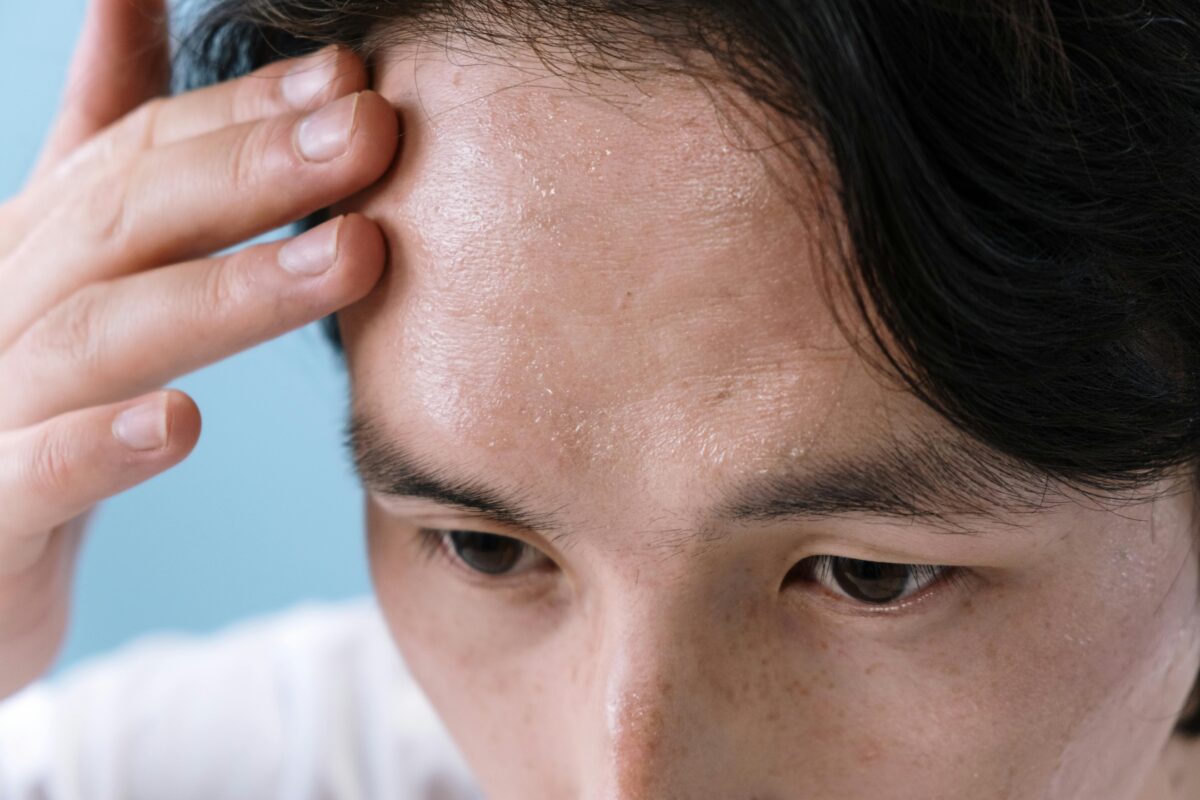
If your eczema or psoriasis seems to get worse every time Sydney’s humidity climbs, you’re not imagining it. Humid weather can be a major trigger for sensitive skin — especially in coastal areas like Sydney, where the mix of moisture, salt air, pollen, and mould creates the perfect storm for flare-ups.
Many people expect dry weather to be the main culprit behind irritated skin. But for some, humidity can be just as aggravating, if not more. In this blog, we’ll explore why Sydney’s climate affects your skin, the hidden environmental factors people often overlook, and the changes you can make to feel more comfortable all year round.
How Humidity Affects Eczema and Psoriasis
Humidity doesn’t impact everyone the same way. Some people feel relieved by moisture in the air, while others flare dramatically. Here’s why:
1. Sweat becomes a major irritant
When humidity rises, sweat doesn’t evaporate. Instead, it stays on the skin, trapping salt, bacteria, and heat against already sensitive areas. This can lead to:
• stinging
• itching
• rashes
• infected patches
• worsening inflammation
For people prone to eczema in skin folds (neck, elbows, behind the knees), summer humidity can be especially tough.
2. Heat increases inflammation
Sydney’s humid days often come with higher temperatures. Heat expands blood vessels, increases itch signals, and can trigger more scratching — leading to a faster flare cycle.
3. Humidity feeds mould growth
Sydney homes, especially older apartments and coastal suburbs, are notorious for hidden mould. Humidity increases mould spores in the air and on surfaces, which can trigger:
• eczema flares
• hives
• respiratory symptoms
• weakened immunity
If you wake with itchy or inflamed skin, or feel worse in certain rooms, mould may be a hidden contributor.
4. Coastal salt air dries out the skin
Sydney’s salty coastal air carries tiny salt particles that sit on the skin. Mixed with humidity and sweat, they can:
• strip natural oils
• weaken the skin barrier
• increase dryness or cracking
• worsen itchiness
This is why coastal walks in summer sometimes leave skin feeling tight or irritated.
5. Pollens and air irritants rise with humidity
During Sydney’s warmer months, humidity helps pollen travel further and stay airborne longer. For people with eczema or psoriasis, this can mean:
• flare-ups around the eyes
• rashes on the neck and chest
• swelling and redness
• itchiness without a clear cause
Pollens in Sydney can also stick to damp skin, making symptoms worse.
Common Signs Your Skin Is Reacting to Humidity
You may be experiencing humidity-related flares if you notice:
• itching after being outdoors
• worsening symptoms after a coastal walk
• sweating that causes rashes or bumps
• flare-ups after exercise
• more weeping or oozing eczema
• skin irritation in folds (elbows, neck, armpits, groin)
• sudden flares during thunderstorms or muggy weather
What You Can Do to Reduce Flare-Ups in Humid Weather
Humidity is unavoidable in Sydney — but there are simple and effective ways to reduce flare-ups.
1. Shower quickly after sweating
Salt, sweat, sunscreen, and pollution build up fast. A short, lukewarm rinse helps reset the skin and prevents irritation. Avoid hot showers, which can increase inflammation.
2. Choose breathable fabrics
Loose cotton, bamboo, and linen reduce sweat build-up. Avoid polyester or tight athletic wear during humid days.
3. Keep your home dry
Use:
• a dehumidifier
• air-conditioning
• cross-ventilation
• mould-resistant cleaning products
If you smell dampness or see condensation on windows, your home likely has excess moisture.
4. Moisturise with the right texture
In humid weather, thick ointments can feel heavy and trap heat. Switch to:
• lightweight creams
• gel-based hydrators
• ceramide-rich moisturisers
This keeps the skin barrier strong without overheating.
5. Avoid exercising outdoors in the hottest part of the day
Sweating in peak humidity often leads to itching and rashes. Early morning or evening is usually kinder on the skin.
6. Reduce exposure to coastal wind on flare days
Salt air can worsen dryness. If you love coastal exercise, consider rinsing your skin right afterwards.
7. Keep bedding cool and dry
Humidity can build up overnight. Using:
• cotton sheets
• breathable pyjamas
• a fan or AC
• a dehumidifier
can make a massive difference.
Why Some People Worse Than Others?
Several factors make certain people more sensitive to Sydney’s climate:
• a weaker skin barrier
• long-term eczema or psoriasis
• frequent sweating
• skin infections
• dust or mould allergies
• sensitive immune systems
• living near the coast or in older buildings
If your flares are severe, frequent, or unpredictable, it’s worth looking deeper — humidity may be the trigger, but the underlying causes often go beyond weather alone.
When to Seek Help
If your skin becomes difficult to manage every summer, or if humidity seems to trigger worsening symptoms, getting support can help you:
• identify triggers
• calm the inflammation
• strengthen the skin barrier
• prevent recurrent flare-ups
• reduce reliance on short-term medication
The right approach can make Sydney’s humid months much easier on your skin.
Final Thoughts
Sydney’s humid climate can be challenging for people with eczema or psoriasis, but understanding the triggers gives you back a sense of control. With the right strategies, many people experience significant relief — even during the stickiest parts of the year.
If you’re experiencing persistent flare-ups or want guidance tailored to your skin, our Eczema & Psoriasis Clinic in Sydney can help you build a plan that works with your lifestyle and your skin’s unique needs.
[Book A Consultation Now] | [Contact Us] | [Follow Us on Instagram @eczemapsoriasisclinic]
