
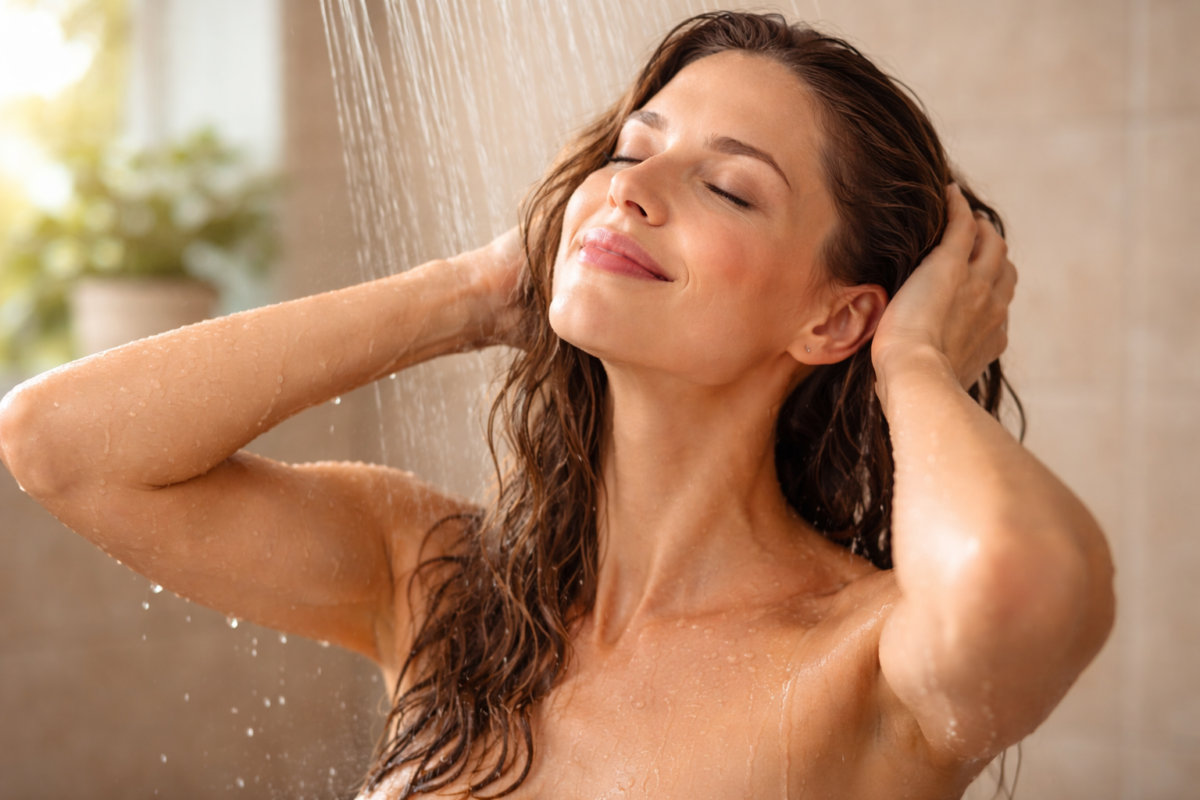
For many people with eczema, psoriasis, or sensitive skin, hot showers feel amazing in the moment — but the relief is often followed by intense itching, redness, or a flare-up shortly afterwards.
If you’ve ever stepped out of a hot shower only to feel your skin burning, tight, or suddenly itchy, you’re not imagining it. There are real physiological reasons why hot water can aggravate inflammatory skin conditions.
Understanding what happens to your skin during hot showers can help you protect your skin barrier and reduce unnecessary flare-ups.
Why Hot Showers Can Trigger Skin Flares
1. Heat increases inflammation
Hot water raises the temperature of the skin, causing blood vessels to dilate. This process increases blood flow to the surface of the skin.
While this can feel temporarily soothing, it can also increase inflammatory signalling in people with eczema or psoriasis, leading to:
• redness
• itching
• burning sensations
• flare-ups after showering
For skin that is already inflamed, additional heat can amplify the reaction.
2. Hot water strips away natural skin oils
Your skin has a natural protective layer made up of oils, lipids, and beneficial microbes. This layer helps retain moisture and protects the skin from environmental irritants.
Hot water dissolves and removes these protective oils much more quickly than lukewarm water.
When this barrier is stripped away, the skin becomes:
• drier
• more vulnerable to irritation
• prone to itching and inflammation
For people with eczema, whose skin barrier is already compromised, this effect can be significant.
Why Hot Showers Feel So Good for Eczema (At First)
Many people with eczema say hot showers temporarily reduce itching.
This happens because heat can momentarily overwhelm itch signals in the nervous system. However, once the skin cools down, inflammation and dryness often increase — which leads to the itch returning even stronger.
In other words, hot showers may feel relieving in the moment, but they may worsen the underlying problem.
What to Do Instead: Skin-Friendly Shower Habits
You don’t have to avoid showers altogether — but adjusting how you shower can make a significant difference for eczema-prone skin.
Use lukewarm water instead of hot.
Aim for comfortably warm water rather than steaming hot water. Lukewarm showers reduce inflammation and help preserve the skin barrier.
Keep showers shorter
Try to keep showers around 5–10 minutes if possible. Longer exposure increases the risk of dryness and irritation.
Choose gentle cleansers
Avoid harsh soaps, foaming cleansers, or heavily fragranced products. These can further strip the skin barrier.
Look for mild cleansers designed for sensitive or eczema-prone skin.
Pat dry instead of rubbing
After showering, gently pat the skin dry with a soft towel rather than rubbing, which can irritate inflamed skin.
Moisturise immediately
One of the most important steps is applying moisturiser within a few seconds of leaving the shower.
This helps lock moisture into the skin and restore the barrier before the skin dries out.
Consider adding soothing skin support
Some people benefit from additional soothing measures such as:
• Dead Sea salt washes
• gentle oatmeal baths
• barrier-repair moisturisers
These approaches can help calm inflammation while supporting skin recovery.
The Bigger Picture: Skin Barrier Health
Hot showers are just one of many everyday habits that can influence eczema and skin sensitivity.
When the skin barrier is compromised, even small triggers — heat, water, friction, or stress — can lead to flare-ups.
By protecting the skin barrier and supporting the body internally, the skin gradually becomes more resilient and less reactive over time.
If your eczema worsens after showering, the temperature of your water may be a key factor.
Hot showers can increase inflammation, strip protective oils, and trigger itch pathways in sensitive skin. Switching to lukewarm water, shortening shower time, and moisturising immediately afterwards can significantly reduce flare-ups.
Small daily habits can have a powerful impact on skin health. Sometimes the path to calmer skin starts with something as simple as adjusting the temperature of your shower.
At our Eczema & Psoriasis Clinic in Sydney, we often help patients identify and minimise everyday triggers like this so their skin can begin to heal more comfortably.
[Book A Consultation Now] | [Contact Us] | [Follow Us on Instagram @eczemapsoriasisclinic]
